

Our website is supported by our readers. We sometimes earn a commission when you click through the affiliate links on our website at no extra cost to you.
Did you know that muscle strains are one of the most common musculoskeletal injuries, affecting millions of people every year? Whether it’s from intense workouts, sports activities, or even simple daily movements, muscle strains can cause significant pain and limit your ability to engage in physical activities. The good news is that there are effective strategies and techniques to aid in the fast recovery and rehabilitation of muscle strains.
In this article, we will explore the best practices for muscle strain recovery, providing you with valuable tips and insights to speed up your healing process. From understanding the basics of muscle strain to customizing a rehabilitation plan, incorporating exercises and therapies, and leveraging natural aids, this comprehensive guide will empower you to bounce back from muscle strains and return to an active and pain-free lifestyle.
Key Takeaways:
- Muscle strains are highly prevalent and can occur during various activities.
- Fast recovery from muscle strains is possible by following effective strategies.
- Understanding the basics of muscle strain is crucial for implementing appropriate recovery techniques.
- A customized rehabilitation plan tailored to your specific needs is essential for optimal recovery.
- Incorporating muscle recovery techniques, exercises, and natural aids can speed up healing.
Understanding Muscle Strain: The Basics

In this section, we will delve into the fundamentals of muscle strain. Understanding the causes, symptoms, and treatment of muscle strains is crucial in order to effectively recover and prevent future injuries. Let’s explore the key aspects of muscle strain:
- Causes of Muscle Strains: Muscle strains are often caused by overextending or overusing the muscles. Common causes include:
- Poor conditioning or inadequate warm-up before physical activity
- Sudden movements or excessive force applied to the muscles
- Repetitive motion or overuse of specific muscle groups
Symptoms of Muscle Strains: It’s important to recognize the signs of a muscle strain to ensure early detection and appropriate treatment. Common symptoms include:
- Pain or tenderness in the affected muscle
- Swelling or inflammation
- Restricted movement or difficulty in performing certain activities
Treatment for Muscle Strains: Proper treatment plays a crucial role in the recovery process. Depending on the severity of the strain, treatment options may include:
- Resting the affected muscle and avoiding activities that worsen the pain
- Applying ice packs or heat therapy to reduce pain and inflammation
- Using compression methods, such as elastic bandages, to support the injured muscle
- Seeking physical therapy or massage to promote healing and restore muscle function
By gaining a solid understanding of these basics, you can take proactive steps towards effectively recovering from muscle strains and minimizing the risk of future injuries. Let’s move on to the next section and explore the best practices for muscle strain recovery.
Muscle Strain Recovery Best Practices
In this section, we will delve into the best practices to follow for muscle strain recovery. Whether you have recently experienced a muscle strain or are in the process of recovering from one, these tips will help you navigate the healing process effectively.
Immediate Steps Post-Injury
When you first experience a muscle strain injury, it’s important to take immediate action. By following these steps, you can minimize further damage and set the stage for a speedy recovery:
- RICE: Rest the injured muscle, apply ice to reduce swelling, compress the area with a bandage, and elevate the limb if possible.
- Seek professional advice: Consult a healthcare professional to assess the severity of the injury and determine the appropriate treatment plan.
- Avoid aggravating activities: Refrain from activities that may put additional strain on the injured muscle to prevent further damage.
Importance of Rest and Recovery
Rest and recovery are crucial for muscle strain healing. Giving your body time to recuperate allows the injured muscle to repair itself and regain strength. Here are some key points to keep in mind:
- Listen to your body: Pay attention to any discomfort or pain and avoid pushing yourself too hard during the recovery process.
- Gradual return to activity: Once the initial pain and swelling subside, gradually reintroduce gentle exercises and activities to rebuild strength and flexibility.
- Get plenty of sleep: Adequate sleep promotes muscle recovery and overall healing.
Hydration and Nutrition for Muscle Repair
Proper hydration and nutrition play a vital role in muscle repair and recovery. Follow these guidelines to support the healing process:
- Stay hydrated: Drink enough water throughout the day to maintain optimal hydration levels, as it aids in nutrient transport and waste removal.
- Eat a balanced diet: Consume a well-rounded diet that includes lean proteins, complex carbohydrates, and healthy fats to provide the necessary nutrients for muscle repair.
- Incorporate anti-inflammatory foods: Foods rich in antioxidants and omega-3 fatty acids, such as berries and salmon, can help reduce inflammation and promote healing.
Customizing Your Muscle Strain Rehabilitation Plan
When it comes to recovering from a muscle strain, one size does not fit all. Each injury is unique, and it’s essential to customize your rehabilitation plan to ensure optimal healing. In this section, we will guide you through the process of creating a personalized recovery plan tailored to your specific needs.
Assessing the Severity of Your Injury:
It’s crucial to understand the severity of your muscle strain before developing a rehabilitation plan. Consult with a healthcare professional or physical therapist who can assess your injury and provide insights into the extent of damage. Their expertise will help you determine the appropriate course of action and set realistic goals for recovery.
Setting Realistic Goals:
Setting realistic goals is crucial to stay motivated throughout your recovery journey. Work closely with your healthcare provider or physical therapist to establish achievable objectives that align with your current physical condition. These goals may include increasing range of motion, regaining strength, or returning to certain activities. Keep in mind that healing takes time, and patience is key.
Creating a Timeline for Recovery:
Developing a timeline for recovery will help you stay organized and ensure a systematic approach to healing. Your healthcare provider or physical therapist can assist you in creating a timeline that outlines the expected duration of each phase in your recovery process. This plan will serve as a roadmap, allowing you to track your progress and make necessary adjustments along the way.
Muscle Recovery Techniques and Therapies

When it comes to muscle strain recovery, various techniques and therapies can aid in the healing process. By incorporating these methods into your rehabilitation plan, you can promote muscle recovery and facilitate a faster return to your active lifestyle.
Ice and Heat Therapy
One effective muscle recovery technique is the use of ice and heat therapy. Applying ice to the affected area can help reduce inflammation, swelling, and pain immediately after the injury. Ice should be applied for 15-20 minutes every 2-3 hours for the first 48-72 hours. After this initial period, heat therapy can be introduced to increase blood flow, relax muscles, and promote healing. Heat should be applied for 20-30 minutes, 2-3 times a day.
Compression Methods
Another beneficial technique for muscle recovery is the use of compression. Compression methods like compression wraps, sleeves, or bandages can help reduce swelling, provide support, and improve blood circulation to the injured muscle. Wrapping the affected area snugly but not too tightly can help prevent further injury and aid in the healing process. Compression should be applied during activities and removed during rest periods.
Physical Therapy and Massage
Physical therapy and massage are valuable therapies for muscle strain recovery. Physical therapy consists of exercises and stretches designed to strengthen the muscles and improve range of motion. A qualified physical therapist can assess your condition and guide you through a personalized rehabilitation program.
Massage therapy, on the other hand, can help relax muscles, reduce tension, and increase blood flow to the affected area. The kneading, stroking, and pressure applied during a massage can aid in the healing process and alleviate pain. When seeing your massage therapist is not an option, a massage gun can be a great help.
By incorporating ice and heat therapy, compression methods, physical therapy, and massage into your muscle strain recovery plan, you can optimize the healing process and expedite your return to an active, pain-free lifestyle.
Essential Muscle Strain Recovery Exercises
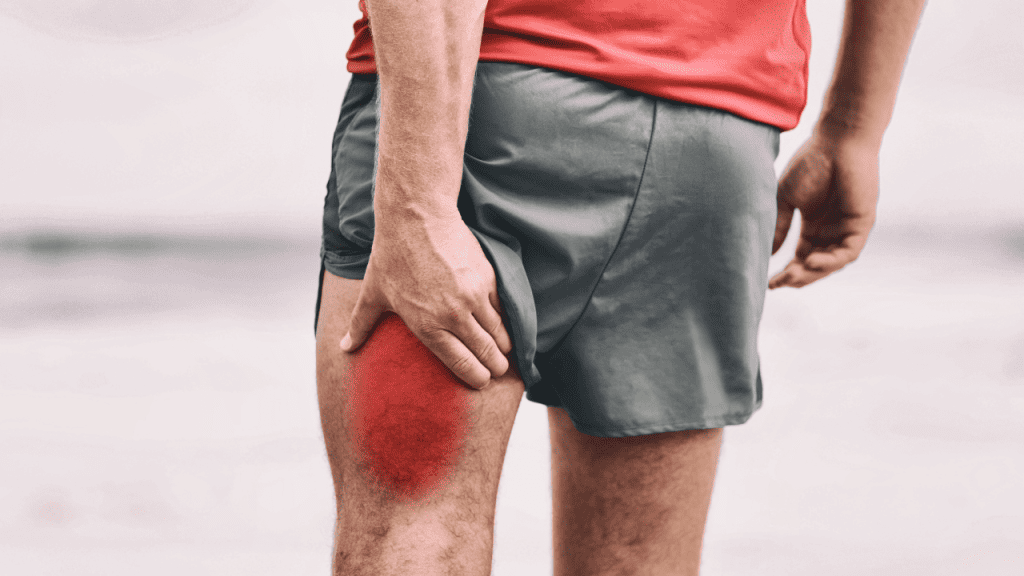
When recovering from a muscle strain, incorporating specific exercises into your rehabilitation plan can greatly enhance your healing process. These essential exercises focus on both stretching and strengthening, targeting key muscle groups to improve flexibility, mobility, and overall muscle recovery.
Stretching exercises for muscle strain recovery:
- Hamstring stretch: Lie on your back with one leg extended while bending the other leg at the knee. Gradually raise your extended leg until you feel a gentle stretch in your hamstring. Hold for 20-30 seconds, then switch legs.
- Quadriceps stretch: Stand upright and gently pull your foot towards your buttocks, feeling a stretch in the front of your thigh. Hold for 20-30 seconds, then switch legs.
- Calf stretch: Stand facing a wall with one foot forward and one foot back. Lean towards the wall, keeping your back leg straight and your heel on the floor. Hold for 20-30 seconds, then switch legs.
Strengthening exercises for muscle recovery:
- Wall squats: Stand with your back against a wall and slowly lower your body into a sitting position with your knees bent at a 90-degree angle. Hold for a few seconds, then return to the starting position. Repeat 10-15 times.
- Bridge exercise: Lie on your back with your knees bent and feet flat on the floor. Slowly lift your hips off the ground to form a bridge, engaging your glutes and hamstrings. Hold for a few seconds, then lower back down. Repeat 10-15 times.
- Resistance band exercises: Use a resistance band to perform exercises such as bicep curls, tricep extensions, and shoulder presses. These exercises help strengthen the upper body muscles that support proper posture and balance.
Remember to start with gentle movements and gradually increase intensity as your muscle strain heals. It’s important to work within your comfort zone and avoid any exercises that cause pain or discomfort. Consulting with a physical therapist or exercise specialist can also help ensure you’re performing the right exercises for your specific muscle strain and recovery needs.
Natural Muscle Strain Recovery Aids
When recovering from a muscle strain, there are several natural aids that can support the healing process and enhance your overall recovery. In this section, we will explore two key categories of natural aids: natural anti-inflammatories and supplements, as well as herbal remedies and their benefits. Let’s take a closer look at these options:
Natural Anti-Inflammatories and Supplements
Reducing inflammation is essential during the muscle strain recovery process. Inflammation can delay healing and prolong your recovery time. Fortunately, there are several natural anti-inflammatories and supplements that can help alleviate inflammation and promote faster healing.
- Turmeric: This spice contains an active compound called curcumin, which has powerful anti-inflammatory properties. Adding turmeric to your meals or taking curcumin supplements can help reduce inflammation and support muscle recovery.
- Fish Oil: Rich in omega-3 fatty acids, fish oil supplements have been shown to have anti-inflammatory effects. Incorporating fish oil into your diet can help reduce inflammation and aid in muscle strain recovery.
- Bromelain: Found in pineapples, bromelain is an enzyme that has anti-inflammatory properties. Taking bromelain supplements can help decrease inflammation and accelerate healing.
Herbal Remedies and Their Benefits
Herbal remedies have been used for centuries to promote healing and alleviate various ailments. When it comes to muscle strain recovery, certain herbs can provide significant benefits.
Arnica: Arnica is a herb that has long been used for its anti-inflammatory and pain-relieving properties. Applying arnica gel or ointment topically can help reduce swelling and alleviate muscle pain caused by strains.
- Comfrey: Comfrey is an herb known for its ability to promote tissue repair and reduce inflammation. Applying comfrey cream or ointment to the affected area can aid in muscle strain recovery by speeding up healing and reducing discomfort.
- Eucalyptus: Eucalyptus oil has analgesic and anti-inflammatory properties. Incorporating eucalyptus oil into massage oils or using it topically can help relieve muscle pain and inflammation associated with strains.
- Devil’s Claw: Devil’s claw is a plant native to southern Africa that has been traditionally used to treat various musculoskeletal conditions. Taking devil’s claw supplements or using it topically in the form of gel or ointment can help alleviate muscle pain and inflammation.
While natural aids can support muscle strain recovery, it’s important to consult with a healthcare professional before incorporating any new supplements or herbal remedies into your routine. They can provide personalized advice and ensure that these natural aids are safe and appropriate for your specific situation.
How to Speed Up Muscle Strain Recovery
When it comes to muscle strain recovery, time is of the essence. Here are some effective strategies to help you accelerate the healing process and get back to your active lifestyle faster:
- Follow Your Rehabilitation Plan: Stick to the personalized plan created for you by a healthcare professional. Consistency and adherence to the recommended exercises, therapies, and treatments will promote faster recovery.
- Stay Consistent: Consistency is key in muscle strain recovery. Make sure to schedule your rehabilitation activities regularly and avoid skipping sessions. This will ensure that your muscles receive the necessary stimulation for healing.
- Implement Additional Strategies: In addition to the prescribed rehabilitation plan, consider incorporating other techniques to speed up recovery. This may include using ice and heat therapy, applying compression methods, or seeking physical therapy and massage treatments.
Conclusion
In conclusion, effective muscle strain recovery requires a comprehensive approach that encompasses various tips and strategies. By following the fast muscle strain recovery tips provided in this article, you can optimize the healing process and get back to your active lifestyle as quickly as possible.
Recap of Fast Muscle Strain Recovery Tips
Throughout the article, we have highlighted the importance of rest and recovery, proper hydration and nutrition, and the implementation of muscle recovery techniques and therapies. These practices, combined with the essential muscle strain recovery exercises and natural aids discussed, form a holistic approach to muscle strain rehabilitation.
It is essential to listen to your body and customize your muscle strain rehabilitation plan based on the severity of your injury. Engaging in regular stretching and strengthening exercises, along with the use of ice and heat therapy, compression methods, and physical therapy, can significantly contribute to your recovery journey.
The Importance of Patience and Consistency in Recovery
Patience and consistency are key in achieving long-term healing and ensuring the prevention of future muscle strains. It’s important to remember that the recovery process takes time, and rushing it may lead to further injury. Stay committed to your personalized rehabilitation plan, follow the recommended exercises and therapies, and trust in the healing capabilities of your body.
By demonstrating patience and remaining consistent in your recovery efforts, you can not only heal faster but also develop resilience and strength in your muscles, reducing the risk of future injuries. Remember, recovery is a journey, and every small step you take towards healing is a significant accomplishment.

The authors and editors that comprise the Recovatech Team have 20+ years of combined experience and knowledge covering the topics of strength, fitness, and recovery. We are impassioned in our pursuit of presenting the most up-to-date information on strength training, cardio fitness, physical rehab, functional movement, nutrition, workout recovery, and best-in-class reviews. Should you feel inclined, please reach out to us at admin[at]recovatech.com.